01
Nonspeaking
Uses little to no spoken language as a means of communication. Communication is limited and consists of mostly nonverbal modalities.
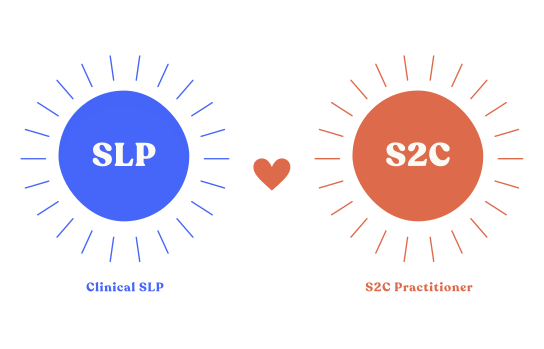
Communication support that combines the clinical background of an SLP with the specialized training of an S2C practitioner, in one place.
Get In TouchWhether your child has never used speech to communicate or has been through years of traditional therapy without finding their true voice, you are in the right place.
“Nonspeaking” is an umbrella term for individuals who cannot use speech as their primary means of reliable, effective communication: those who do not speak at all, use minimal speech, or are unreliably speaking.
Uses little to no spoken language as a means of communication. Communication is limited and consists of mostly nonverbal modalities.
Uses some words and phrases, but speech does not allow for robust or flexible communication.
May have access to speech, however it is often unreliable, not used for communicative purposes or not representative of their true, internal thoughts. Often uses echolalia or scripting.
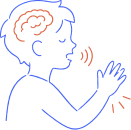
The nonspeaking community has long been misunderstood. Through spelled communication, nonspeakers are telling us the real story: the brain and body are disconnected and this is the root of communication challenges.
This is not a cognitive limitation. This is a motor one.
We support individuals through an understanding of whole body apraxia. Every form of communication requires purposeful motor abilities. We work with the motor system, not against it.
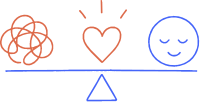
Regulation is the foundation for purposeful movement and communication. We prioritize sensory and emotional regulation to allow the body to participate in a meaningful way.
We provide support with the shared understanding that language and cognition are intact. Understanding is present, even when speech is not. We believe every individual is capable and has a desire to learn and communicate.

Language is cognitive. Speech is motor. A breakdown in speech does not mean a breakdown in language.
Both areas are grounded in the same motor-informed philosophy: language and cognition are intact, the body needs support, and a reliable communication system is the goal.
If your young child is not yet using speech as a reliable means of communication, early support focuses on the whole child, supporting the motor and sensory systems, and paving a way to reliable communication.
Building attention to communication partners and the environment.
Meeting sensory and emotional needs as the foundation for learning.
Fostering language and literacy through meaningful exposure.
Supporting access to breath, voice, and the motor act of speech where appropriate.
Considering how the motor system shapes communication for your child and providing support on the path toward reliable access to communication.
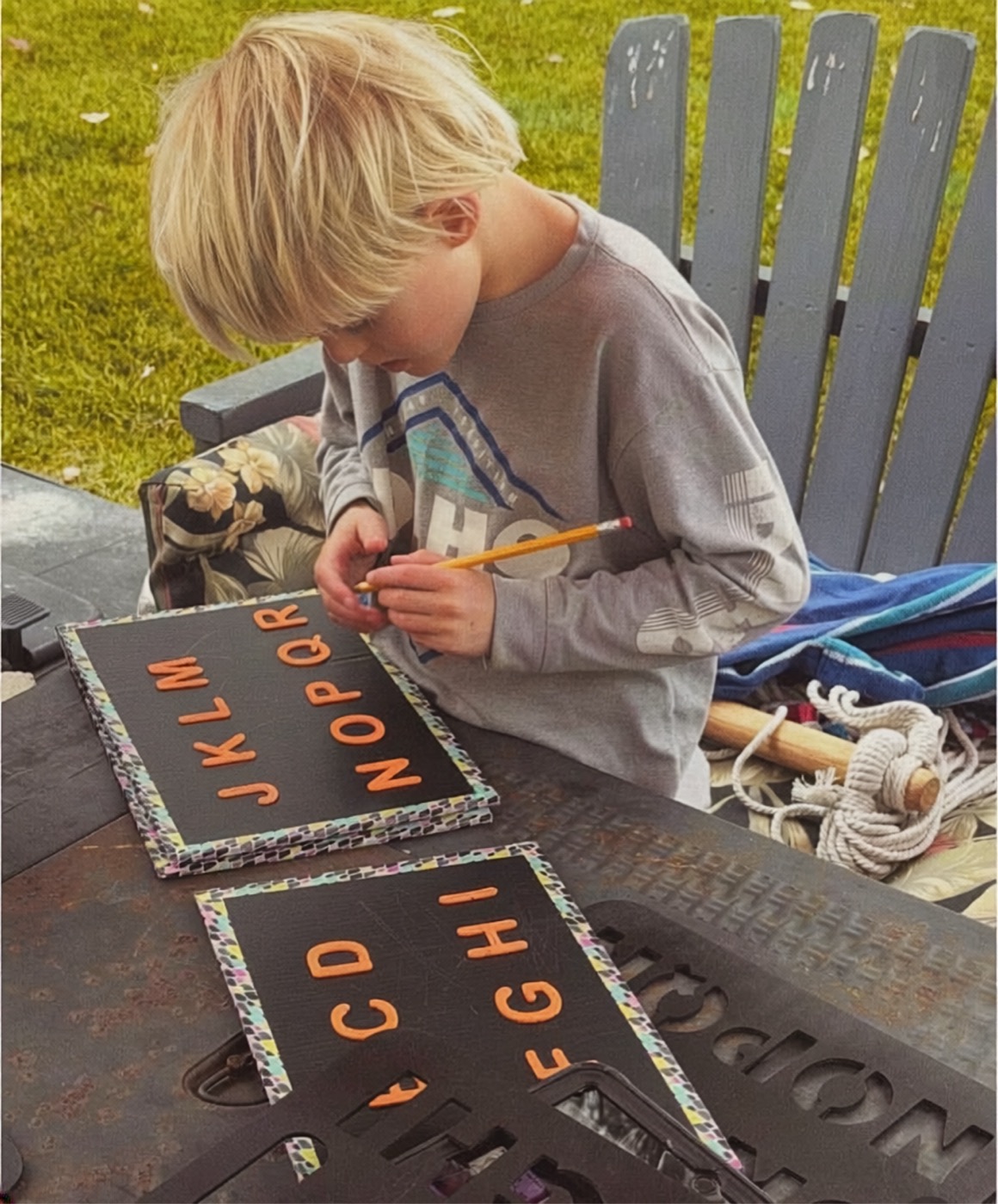
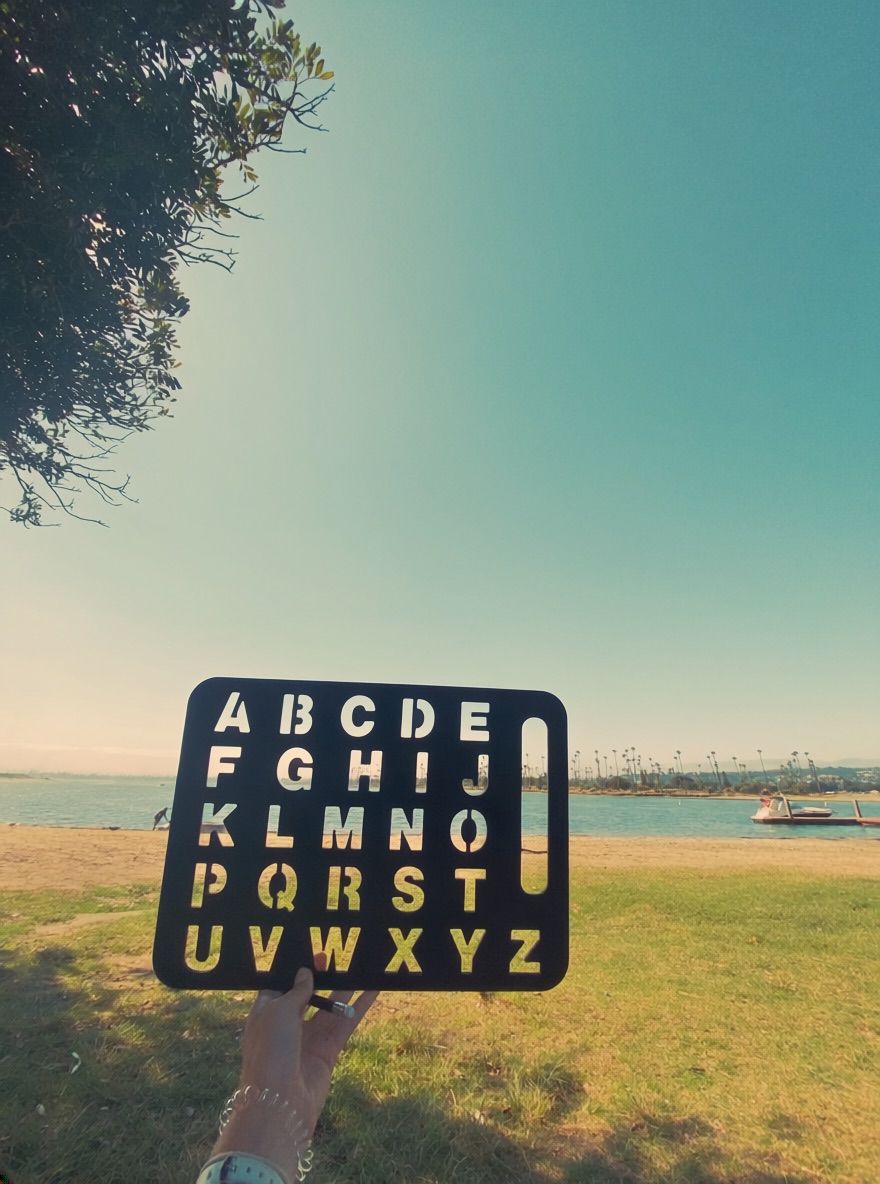
S2C teaches the purposeful motor skills necessary to point to letters on a letterboard, progressing to typing — giving nonspeaking individuals access to full, open, and robust communication.
Uses gross motor arm movements instead of the fine motor of speech, writing, or sign.
Structured, consistent motor planning so language can be expressed without relying on unreliable speech.
A steady progression from letterboards to independent typing.
All 26 letters provide the ability to express any thought at any level of complexity.
An adaptable form of augmentative and alternative communication for those with motor-based disabilities.
The clinical experience of an SLP and the specialized support and open mind of an S2C practitioner, in one place.
At Speech Love Spell, we are challenging a longstanding misconception: that nonspeaking individuals lack intelligence, understanding, or age-appropriate language.
Read Our StoryA few words from the parents and colleagues we’ve had the privilege of working with.
“Jesseca has been truly life-changing. She gave us hope and delivered. Our daughter has thrived verbally, socially, and academically thanks to her newfound ability to communicate.”
“Jesseca's energy is a true friend to my son, comforting, engaging, and always child-led. He has made incredible progress and we're so grateful for her expertise, dedication, and heart.”
At Speech Love Spell, we are challenging a longstanding misconception: that nonspeaking individuals lack intelligence, understanding, or age-appropriate language. Through insight shared directly by the nonspeaking community, we now know this is not true. Traditional speech therapy most often views nonspeaking autism through a cognitive and language based lens, assuming “nonspeaking” equates to lacking language or intellect. We recognize that communication is a motor act, and that for many autistic and nonspeaking individuals, the challenge is not cognitive — it is a disconnect between what the brain wants to say and what the body can execute. We take a motor-informed, sensory-informed approach that supports the whole child, and we prioritize finding a reliable way for every individual to communicate fully and authentically. Every individual we serve is presumed to be fully capable and intelligent, and every session is built around that belief.
Spelling to Communicate (S2C) is a methodology that teaches individuals with motor challenges the skills necessary to point to letters on a letterboard as an alternative means of communication. Through repeated practice, new neural pathways become myelinated, promoting synchrony between the brain and body. As motor skills improve, individuals progress from pointing on a letterboard to typing independently on a keyboard, and communication moves from concrete to abstract.
Want to learn more? These videos are a great place to start: Spellers the Movie Documentary · Overview of Spelling to Communicate (S2C)
All services are provided in your home or community. We do not have a clinic space, so we stay flexible in where services are provided to bring therapy to an environment that works best for your child.
Services are offered on a private pay basis only and are not currently billed through insurance. We can provide a superbill upon request, an itemized receipt you can submit to your insurance provider for possible out-of-network reimbursement. We can also provide documentation for families seeking reimbursement through the Self-Determination Program via California Regional Center.
A superbill is an itemized receipt with the diagnostic and procedure codes your insurance company needs to consider reimbursing you for out-of-network speech therapy. You pay us directly, then submit the superbill to your insurer. Reimbursement depends on your specific plan and out-of-network benefits.
Start with a free welcome call. We’ll figure out the next step together.
Schedule A Welcome Call